Nuremberg Animal Shelter – future-proof heat supply with UltraGas 2
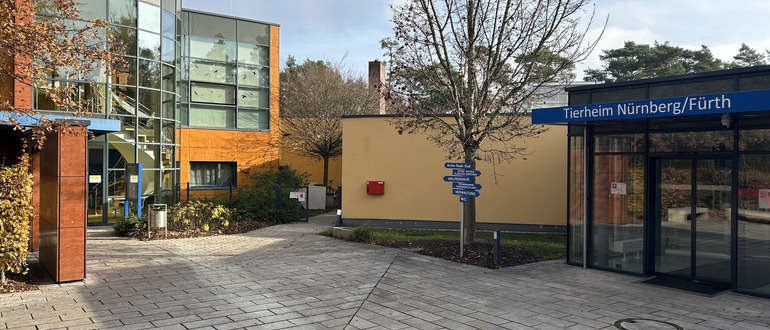
- Other building
- Renovation
- UltraGas, Heat Pump
Flexible heat generation independent of the mains gas network
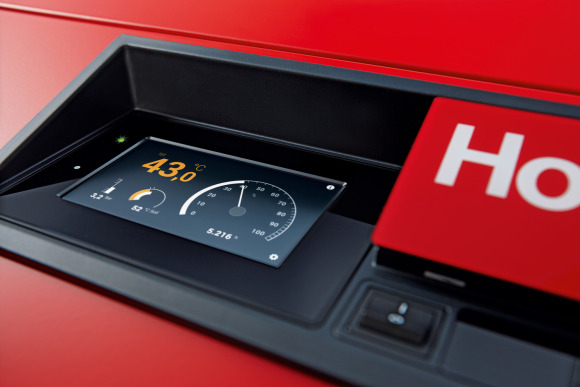
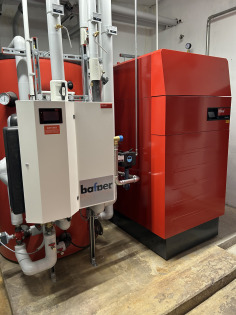
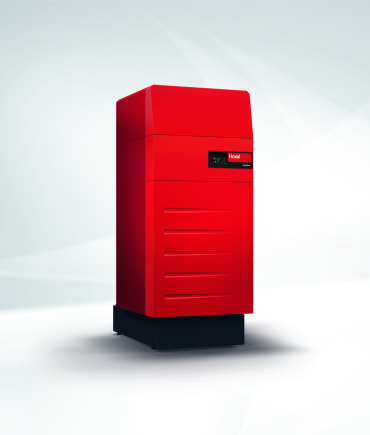
At the Nuremberg Animal Shelter, the Hoval UltraGas 2 (300) gas condensing boiler ensures a reliable and sustainable heat supply. Gas-adaptive condensing technology utilises alternative gases and makes the system independent of the mains gas network.
Challenges in the existing building
Insights into the New Heating System at the Nuremberg Animal Shelter
Project data
- Building type: Refurbishment (commercial / public)
- Location: Nuremberg, Bavaria (Germany)
- Area supplied: > 3,000 m²
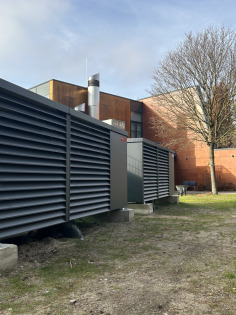
- Heating solution: UltraGas 2 (300) gas condensing boiler + 2× Belaria pro (50) heat pump
- Output values: ~300 kW (calorific value) UltraGas 2 (300) , 2 × 48 kW Belaria pro (50)
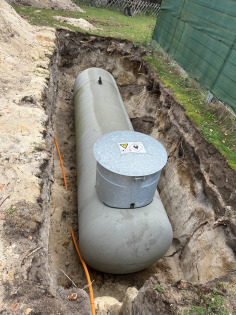
- Energy source: LPG / BioLPG from a 6,400 litre underground tank
- System components: UltraGas 2 (300), Belaria pro (50), EnerVal buffer storage tank, TransTherm aqua F, TopTronic E
Gas flexibility as a planning parameter
The Hoval UltraGas 2 gas condensing boiler can operate with natural gas, LPG, BioLPG, biomethane and hydrogen blends without the need for any adjustments. This ensures that the choice of energy source remains flexible throughout the entire life cycle and can be adapted to future market and infrastructure developments.
Hybrid architecture for high efficiency in the existing building
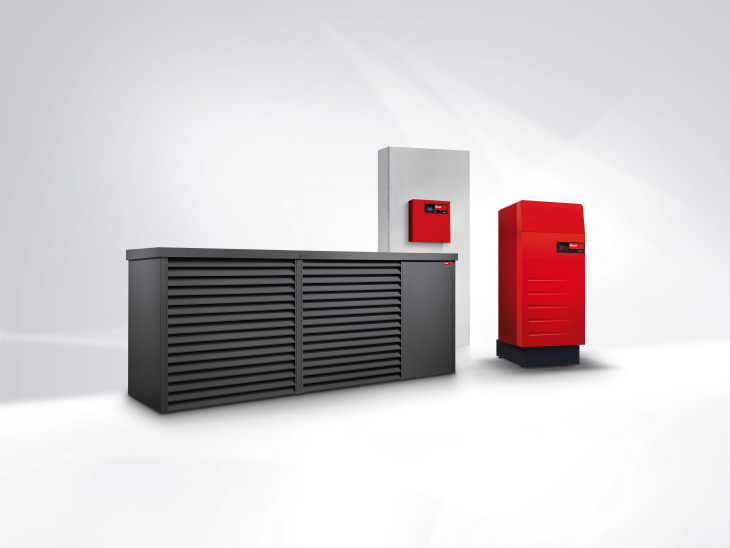
Combination Belaria pro (50) and UltraGas 2: powerful and sustainable
Advantages at a glance – Hoval UltraGas 2
- Cost-effective operation – economical heat supply across the full and partial load ranges
- Security of investment – future-proof technology with broad gas compatibility
- Compact dimensions – making transport, installation and integration easier
- H2 and biomethane – suitable for future gas qualities
- Simple system integration – straightforward hydraulic integration into existing heating systems
Digital system logic for transparency and scalability
The TopTronic E controls the entire system, coordinates load distribution and provides comprehensive visualisation. The system architecture is modular in design and is ready for future expansions, such as the integration of photovoltaic systems or additional heat generators.